Safety insights you can use
Plain-English guides on fire safety, dangerous goods, battery storage and risk, from the RSSM team.
Latest articles
 August 24, 2025
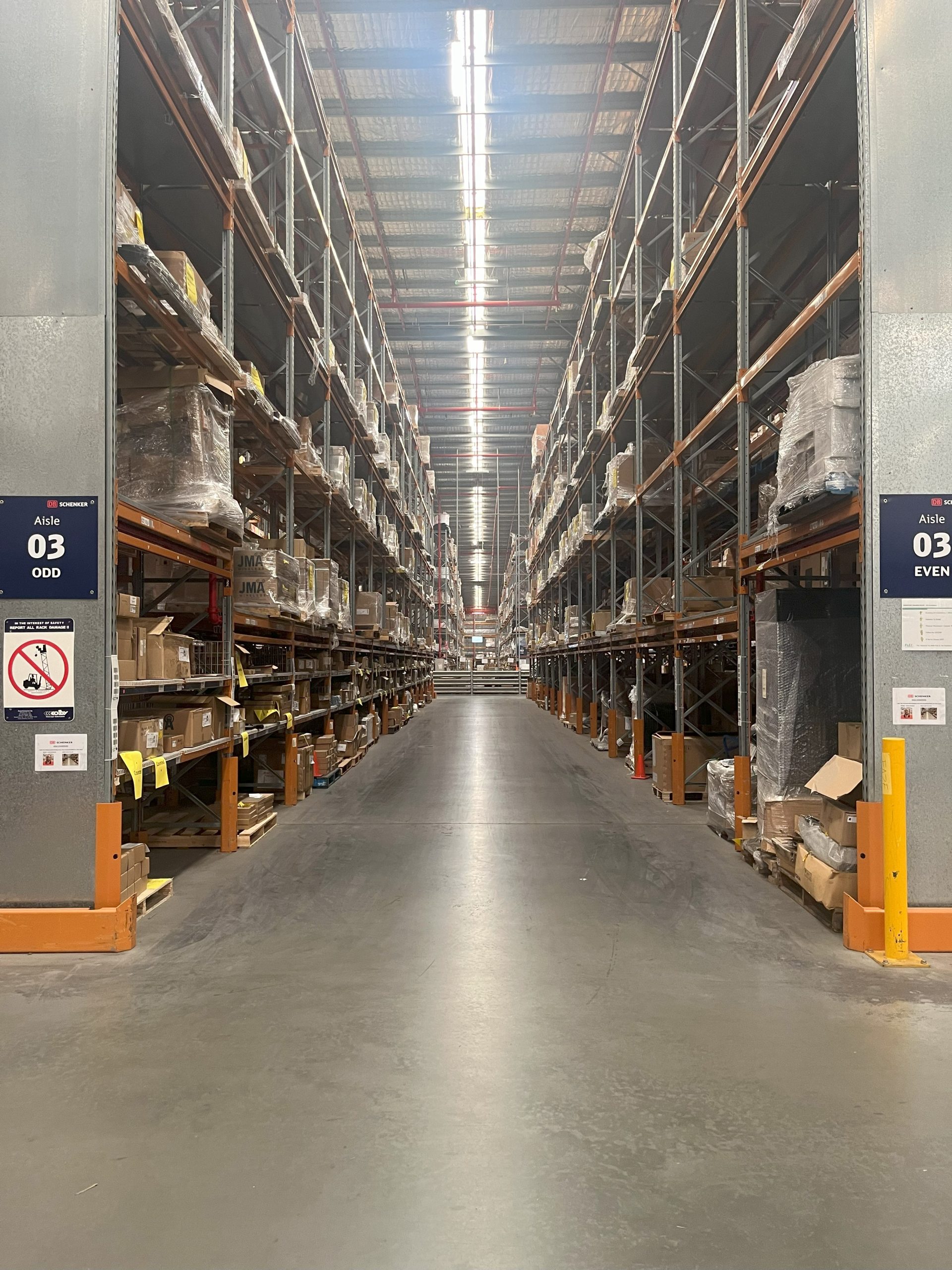
What are Legislative Obligations for storage of Lithium-Ion Battery in Various Australian States and Territories?
Lithium-ion batteries (LiBs) are classified as Class 9 Dangerous Goods (DG) under the Australian Dangerous Goods Code (ADGC), with the UN number UN 3480 when stored as standalone units.
Read more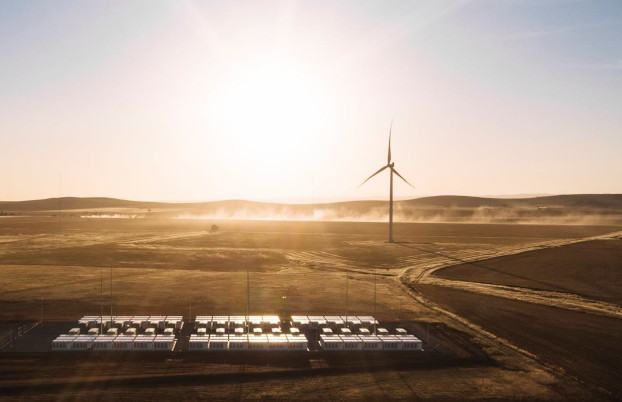 April 30, 2025
Navigating Lithium-Ion Battery Projects: Why You Need Expert Risk and Safety Advice from Day One
As Australia’s energy storage sector expands, more businesses such as from logistics operators to solar battery installers, are entering the lithium-ion battery (LIB) space.
Read more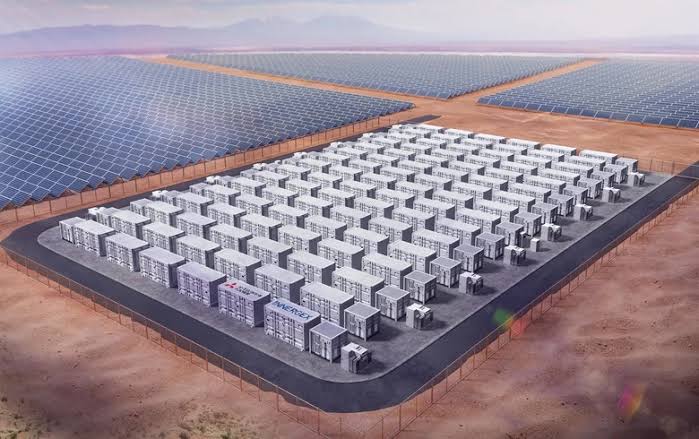 February 12, 2025
Consequence analysis for a BESS Project – The secret to a successful Fire Safety Study (FSS) and Preliminary Hazard Analysis (PHA).
Battery Energy Storage Systems (BESS) facilities are rapidly expanding in Australian energy landscape. There are 100s of BESS facilities bult and 1000s in the pipeline.
Read more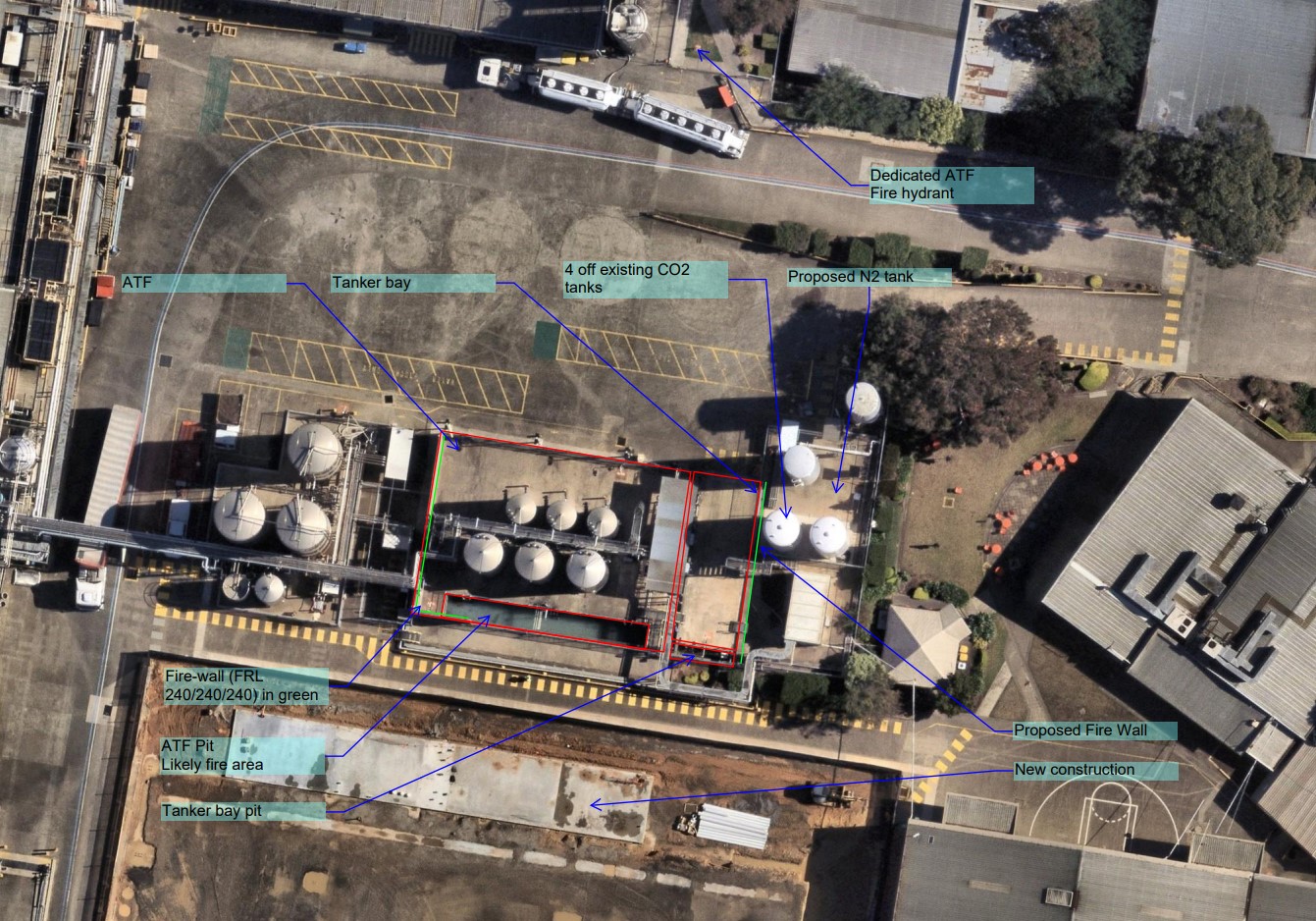 February 9, 2025
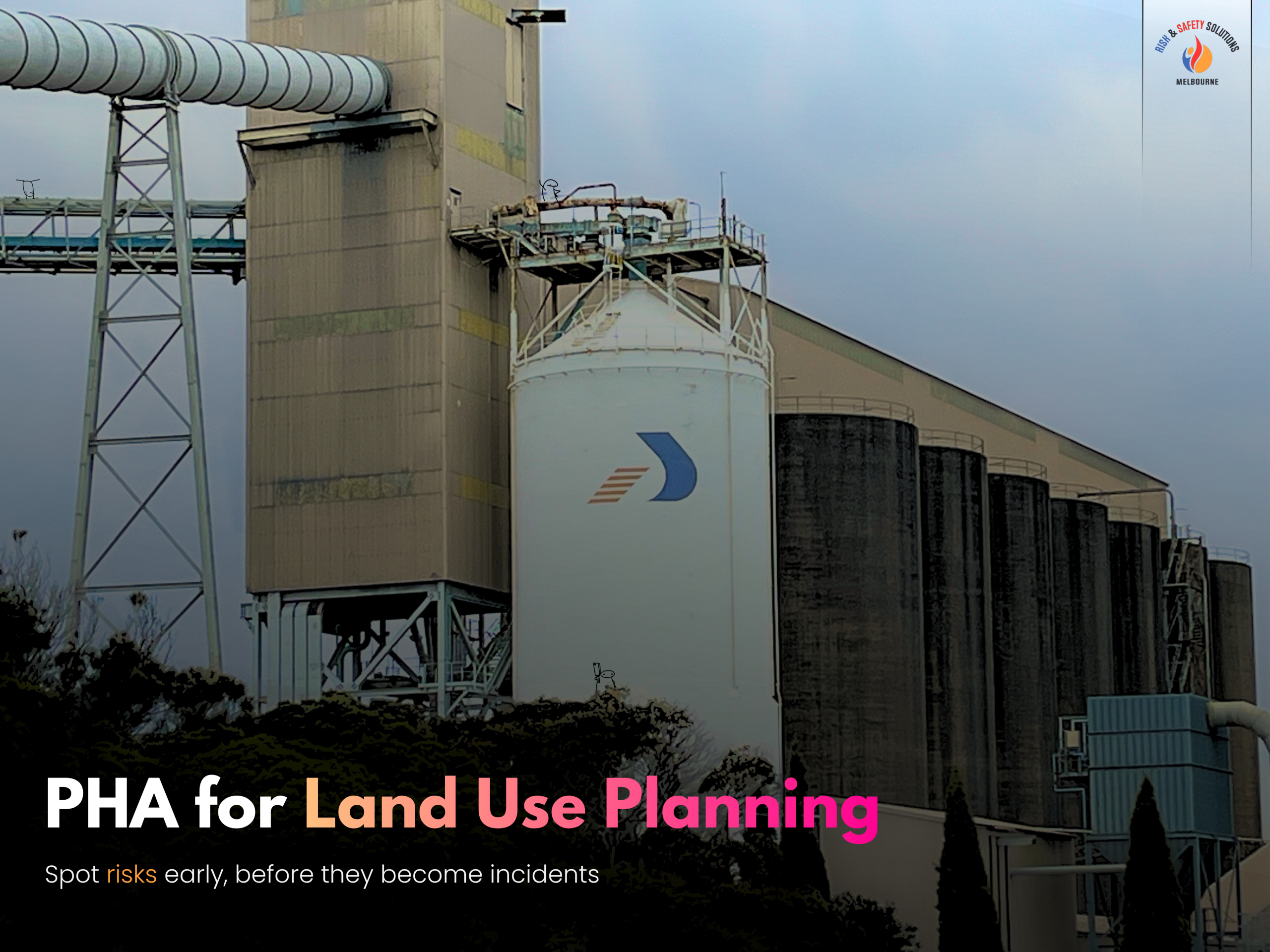
Essential Guide to Preliminary Hazard Analysis (PHA): Safeguarding Your Project’s Success.
A Preliminary Hazard Analysis (PHA) is a critical component of risk assessment, particularly for facilities handling hazardous materials.
Read more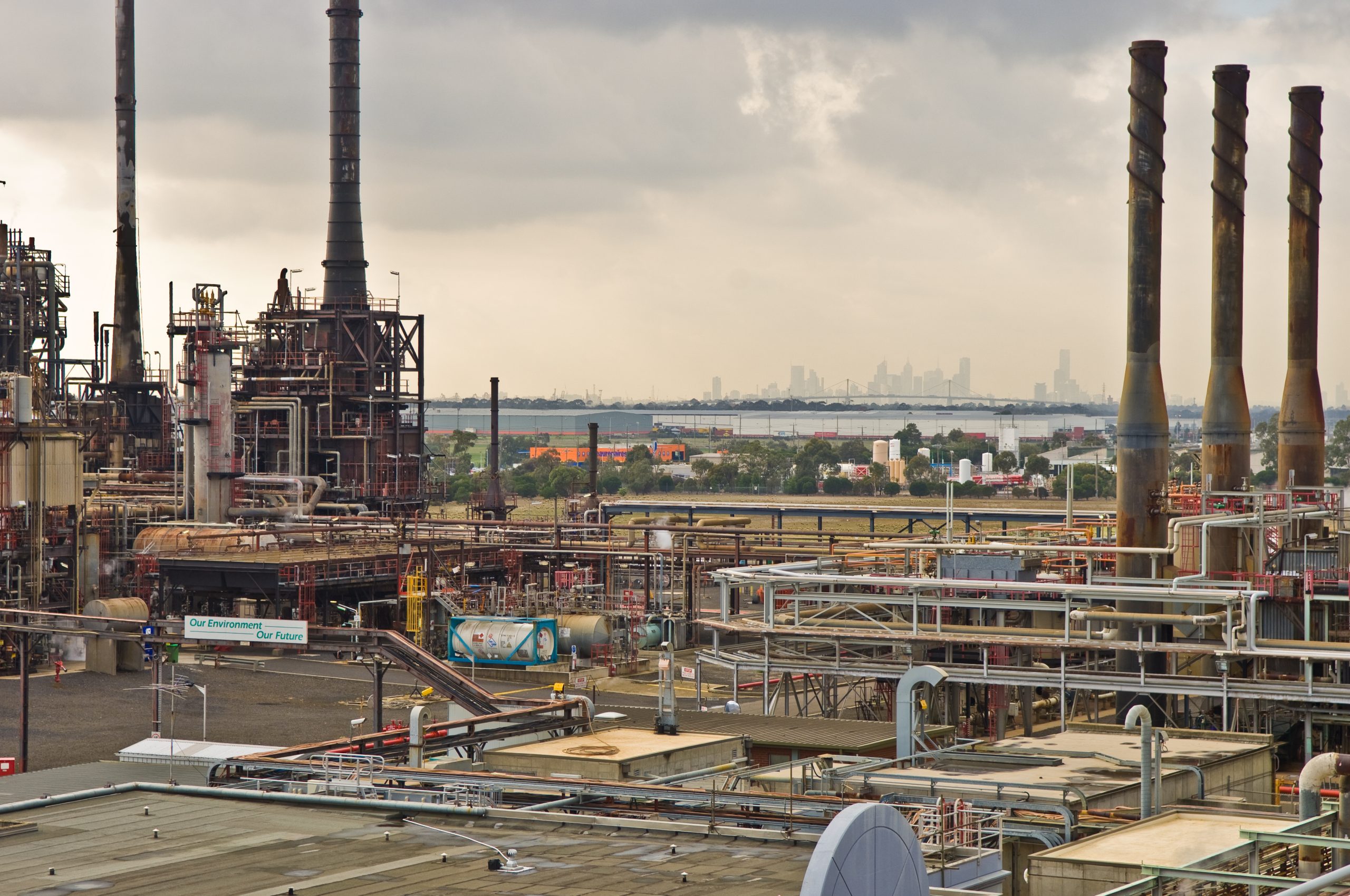 January 22, 2025
Conducting a Fire Safety Study (FSS): Meeting Regulatory Requirements
Fire safety is a critical aspect of any industrial or hazardous site operation. Fire Brigade throughout Australia, e.g.
Read more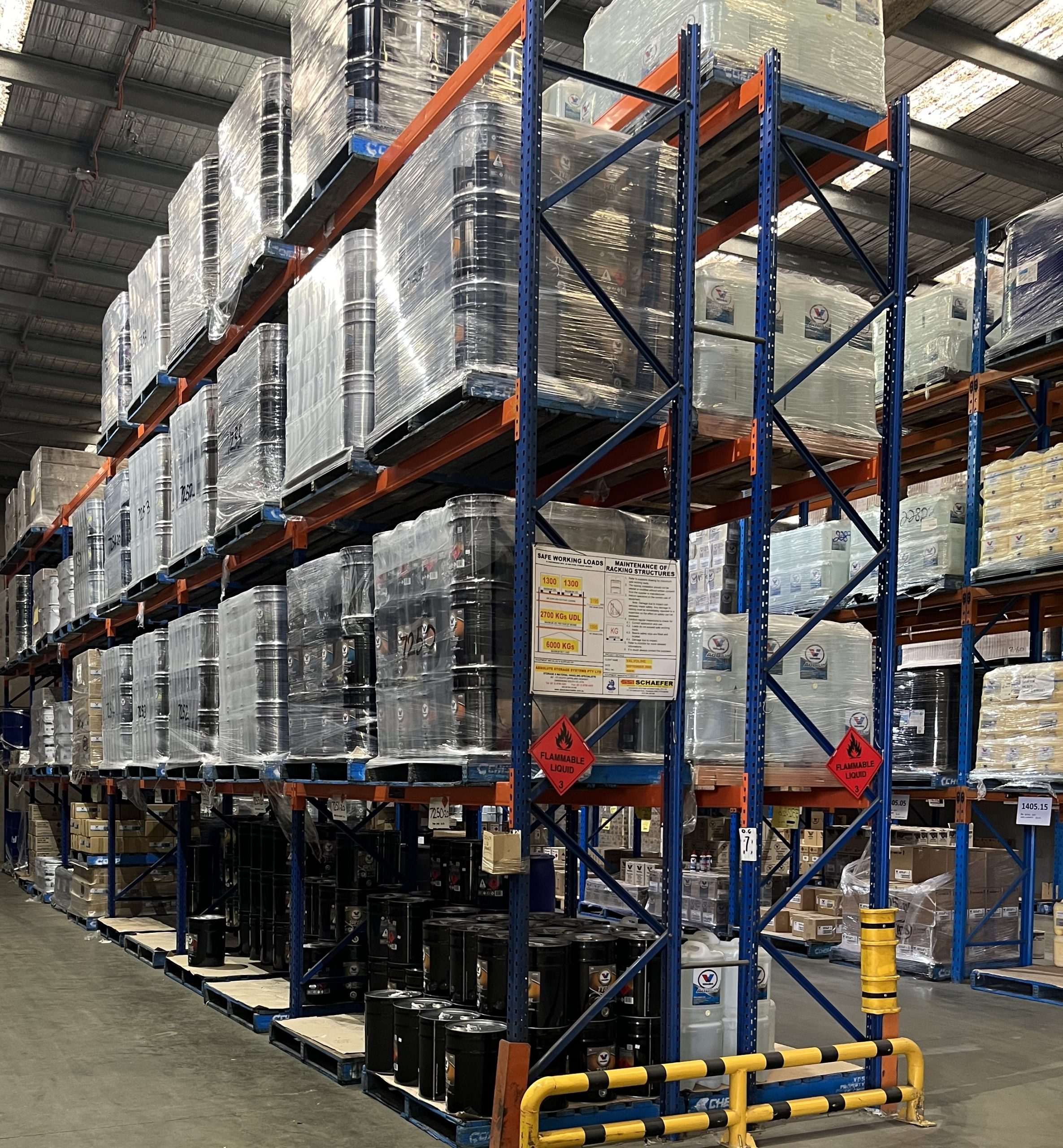 January 22, 2025
A B C of Dangerous Goods
1 What are Dangerous Goods (DG)? As defined in the Australian Code for the Transport of Dangerous Goods by Road & Rail (ADGC), Dangerous goods* are: a) goods or article that are determined under Regulation to be dangerous goods…
Read more