Lithium-ion battery storage risk assessment
Case study overview
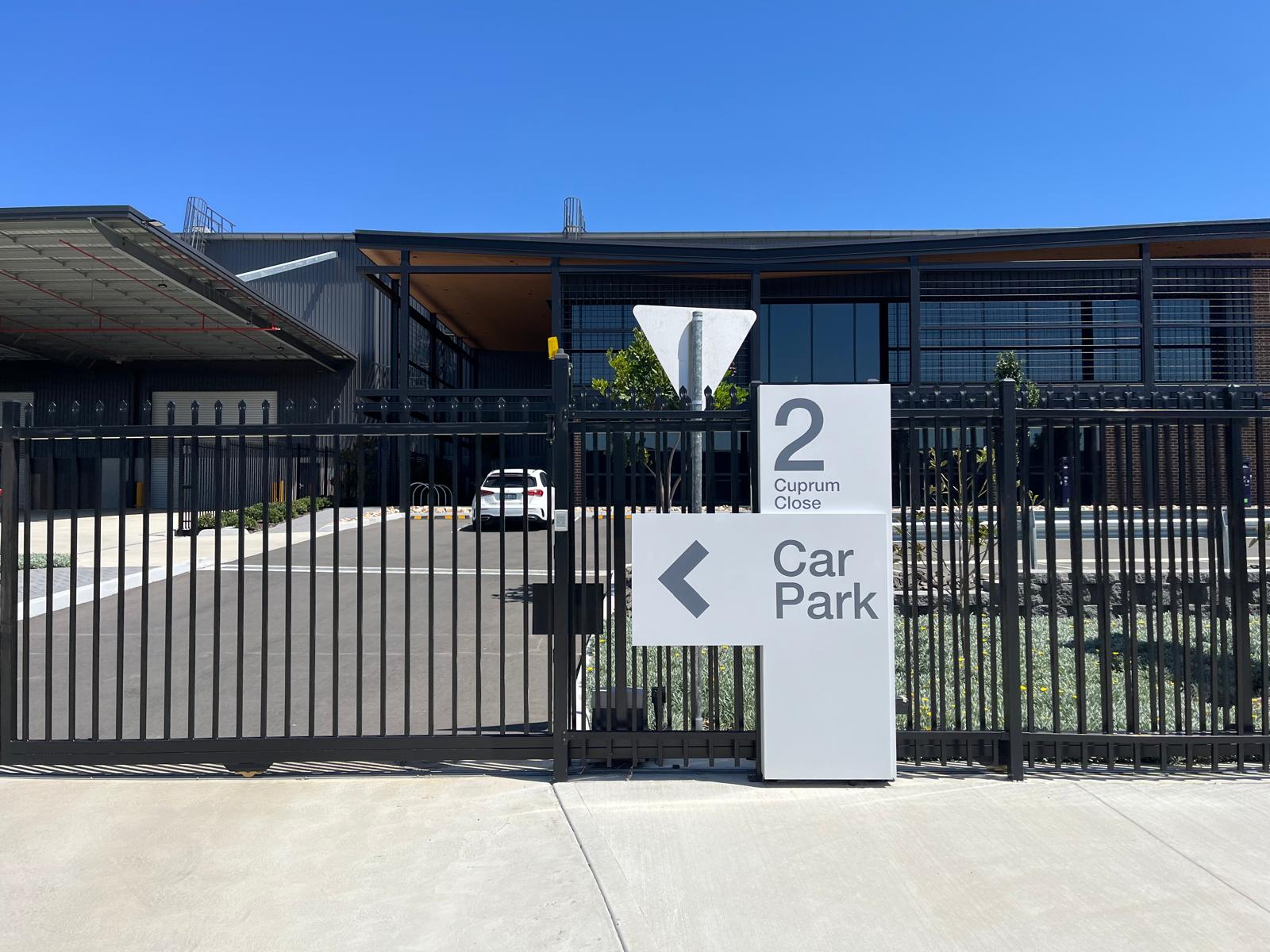
DSV, one of the world’s leading logistics providers, engaged RSSM to conduct the lithium-ion battery storage risk assessment Australia project for its newly developed Altona, Melbourne facility. Due to the elevated fire and compliance risks associated with lithium-ion batteries, DSV required specialist expertise aligned with Australian Dangerous Goods (ADG) Code requirements and local fire engineering expectations.
Following the successful assessment, RSSM was retained to provide ANZ-wide advisory support covering lithium-ion battery fire safety, warehouse storage compliance, emergency response planning, and broader Dangerous Goods compliance.
Li-ion batteries present unique and escalating risks in warehouse and logistics environments, including:
- Thermal runaway and fire propagation
- High-temperature battery fires requiring specialised suppression strategies
- Toxic and flammable gas release
- Complex segregation and storage requirements
- Strict transport classification under the ADG Code
- Regulatory notification and emergency services coordination
As customer demand for Li-ion battery (LiB) logistics expanded in Australia, DSV required:
- Compliant LiB storage at scale
- Alignment with Australian fire engineering standards
- Clear emergency response procedures
- Dangerous Goods classification and documentation support
- Nationally consistent safety frameworks across ANZ sites

Lithium-Ion Battery Fire Risk & Storage Assessment
Hazard characterisation of lithium-ion battery failure modes; Thermal runaway propagation analysis; Warehouse storage and segregation assessment; Fire safety engineering recommendations; UL 9540A performance…

Dangerous Goods (ADG Code) Compliance Review
DG storage classification and threshold analysis; Warehouse segregation mapping; Transport documentation compliance review; ADG Code alignment; Worker training requirement assessment; Development of standardised DG…

Ongoing National Retained Advisory Support
Following the initial lithium-ion battery storage risk assessment, RSSM was appointed under a retained consultancy model providing: Continuous Dangerous Goods advisory services; Rapid-response technical support; New…
Our approach and services
RSSM implemented a structured, three-tiered methodology focused on LiB storage risk assessment and Dangerous Goods compliance.
Outcome and impact
Through RSSM’s lithium-ion battery storage risk assessment and fire safety consultancy, DSV achieved:
- Consistent lithium-ion battery storage compliance across ANZ
- Improved warehouse fire safety resilience
- Full alignment with Australian Dangerous Goods (ADG) Code
- Enhanced emergency response readiness
- Reduced operational risk exposure
- Increased confidence from regulators and insurers
- Long-term technical advisory support
RSSM is one of Australia’s early specialist consultancies in:
- Lithium-ion battery fire safety
- Lithium battery warehouse storage compliance
- Dangerous Goods risk assessment
- ADG Code advisory services
- Emergency planning for high-risk logistics operations
We translate complex lithium-ion battery risks into practical, compliant safety systems for Australian warehouses and distribution facilities